Skip to Content
English (US)
English (US)
Français
Free Returns and Standard Shipping
0
My Cart
Sign in
Home
Shop
Events
Courses
Services
Tarif
Society
Blog
Success Stories
About us
Appointment
Jobs
Contact us
On-Site Training Courses
Contact Us
0
Home
Shop
Events
Courses
Services
Tarif
Society
Blog
Success Stories
About us
Appointment
Jobs
Contact us
On-Site Training Courses
Free Returns and Standard Shipping
English (US)
English (US)
Français
Sign in
Contact Us
Courses
Your Level
Advanced
Basic
Intermediate
All Courses
Applications du choc thermique dans la production de protéines thérapeutiques : principes et stratégies avancées
Ce cours explore l’utilisation stratégique du choc thermique dans la production de protéines thérapeutiques. Il présente les principes fondamentaux de la réponse au stress thermique dans les systèmes cellulaires et détaille comment cette technique peut être exploitée pour améliorer l’expression, le repliement et la stabilité des protéines recombinantes. Les participants découvriront les applications pratiques dans la biotechnologie pharmaceutique, les facteurs influençant l’efficacité du choc thermique, ainsi que les innovations récentes permettant d’optimiser la synthèse de protéines à usage thérapeutique. Des études de cas et des exemples industriels illustreront l’intégration de cette approche dans les processus de production biopharmaceutiques.
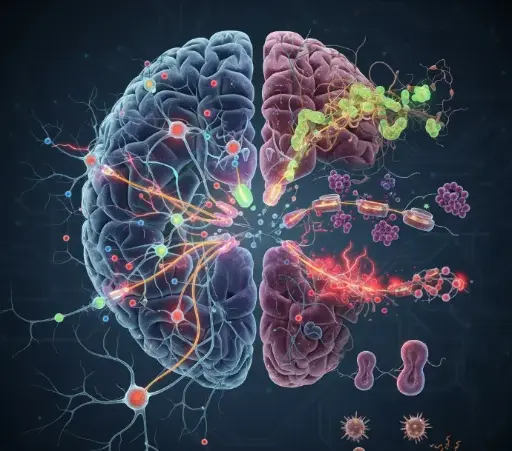
Experimental Approaches to Studying the Complement System in Neuroscience
Is a specialized course that examines the methodologies used to investigate the roles of complement proteins in brain function and disease. The course covers experimental models ranging from cell cultures and transgenic animals to advanced imaging systems, alongside molecular and analytical tools such as proteomics, transcriptomics, and functional assays. Emphasis is placed on understanding how complement activity influences processes like synaptic pruning, neuroinflammation, and cognitive health, while also addressing translational applications in biomarker discovery and therapeutic development. Designed for students and researchers in neuroscience and immunology, this course provides the theoretical knowledge and practical insights needed to explore the complement system at the interface of basic science and clinical research.
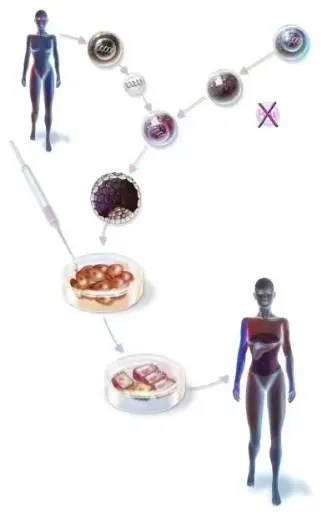
Stem Cells in Development, Differentiation, and Therapy
Explore the fascinating world of stem cells and their transformative potential in biology and medicine. This course delves into the fundamental principles of stem cell biology, including self-renewal, pluripotency, and lineage-specific differentiation. Learn how stem cells drive development, maintain tissue homeostasis, and enable regeneration. Gain insight into cutting-edge research and clinical applications, from induced pluripotent stem cells (iPSCs) to regenerative therapies. Through a combination of theoretical lectures, case studies, and practical exercises, students will develop a deep understanding of molecular mechanisms, cellular behavior, and therapeutic strategies involving stem cells.
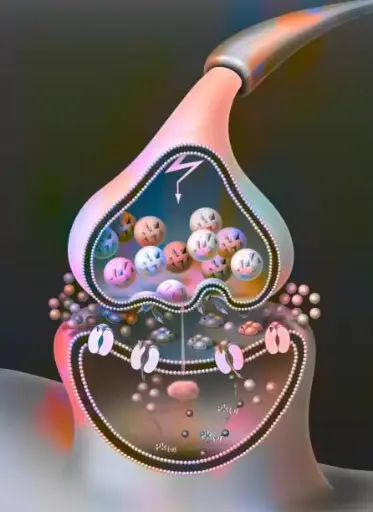
Cellular Signaling and Nervous System Disorders
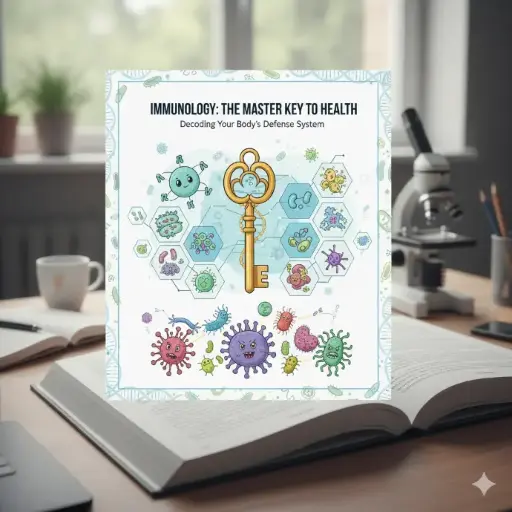
Fundamentals of the Immune System: Organs, Barriers, and Cellular Components of Innate Immunity
This course explores the foundations of body defense, beginning with the
primary and secondary lymphoid organs
(bone marrow, thymus, spleen), moving through
physical and chemical barriers
(skin, mucus, gastric acid), and concluding with the
specific mechanisms of innate immune cells
(phagocytes, NK cells, and granulocytes).
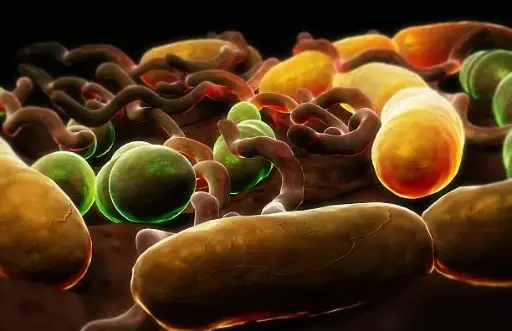
Antimicrobial Resistance (AMR)
PCR in tempo reale
Overview
No leaderboard currently :(
Filters
Your Level
Advanced
Basic
Intermediate
Clear Filters